
AI-Powered In Silico Modeling for Biologics

Make critical development decisions earlier and with greater confidence. Coriolis Pharma’s in silico assessment capabilities provide early insight into molecule behavior, helping teams focus resources on the most promising development paths. By reducing unnecessary experimentation and enabling more targeted formulation strategies, we help accelerate development timelines, conserve valuable material, and lower development costs.
How our approach delivers unique value
We combine the best of complementary methodologies and our formulation expertise.
AI &
Data-Driven Models
- Sequence and structure analysis
- 150+ biophysical descriptors
- Developability liability prediction
- Benchmarking vs 700+ clinical-stage proteins
Mechanistic
Molecular Simulations
- Protein-protein interactions
- High-concentration behavior
- pH and ionic-strength effects
- Excipient interactions
- Formulation corridor identification
Formulation
Expertise
- Interpretation of results
- Development strategy
- Formulation recommendations
- Integration with wet-lab studies
In Silico Insights for Smarter Development Decisions
Starting with only a protein sequence, Coriolis Pharma combines AI-driven prediction, molecular dynamics simulations, and formulation expertise to generate actionable developability insights. Our in silico modeling approach helps identify molecule-specific liabilities, evaluate protein stability, predict formulation sensitivity, and benchmark candidates against clinically advanced biologics.
By translating complex structural and biophysical data into clear recommendations, we help teams make informed candidate selection, formulation, and risk-mitigation decisions earlier and with greater confidence, reducing development risk and focusing experimental efforts on the most promising paths forward.
Find the Right In Silico Service
From early lead optimization to formulation strategy, our in silico assessments support critical decisions across development.
Depending on your development stage and objective, we compare candidates, identify molecule-specific risks and formulation sensitivities, and translate computational insights into actionable recommendations.
Services are available as stand-alone assessments or can be integrated with wet-lab studies for targeted experimental validation.
-
Compare up to 16 candidates based on sequence and structural analysis, developability liabilities, and benchmarking against clinical-stage therapeutic proteins.
Best suited for: Lead optimization and candidate selection
Typical outputs: Developability assessment, therapeutic-protein benchmarking, comparative candidate ranking, progression recommendations, and expert scientific report.
-
Assess up to eight candidates for self-association, viscosity risk, and protein-protein interactions using molecular dynamics simulations.
Best suited for: Candidate selection for high-concentration products
Typical outputs: High-concentration suitability assessment, viscosity and self-association risk evaluation, molecular interaction insights, candidate ranking, and expert recommendations.
-
Compare up to four candidates across selected pH and ionic-strength conditions to identify formulation sensitivities and assess candidate robustness.
Best suited for: Late candidate selection and early formulation decision-making
Typical outputs: Formulation sensitivity profiles, robustness assessment across formulation conditions, comparative candidate ranking, and formulation development recommendations.
-
Explore the formulation space of a selected lead candidate to identify promising pH, ionic-strength, and functional excipient regions for experimental development.
Best suited for: Preformulation and formulation-development planning
Typical outputs: Prioritized formulation corridors, excipient-class assessment, formulation strategy recommendations, and an experimental screening plan.
Model-based analyses for different molecules
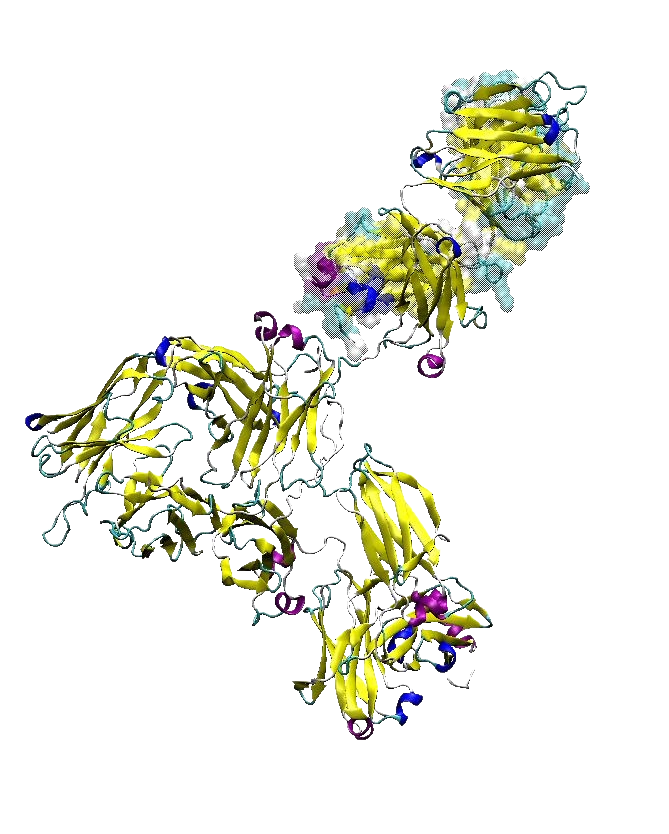
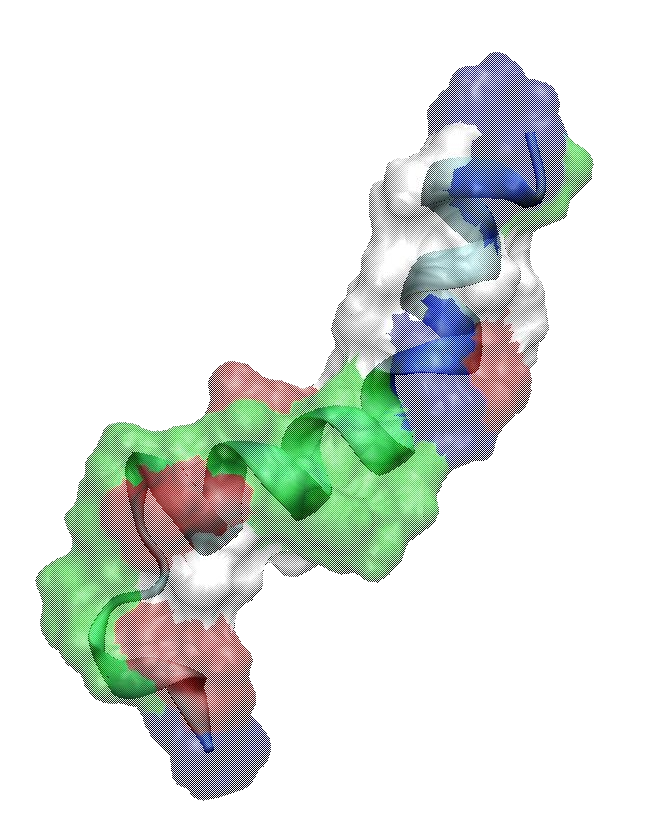
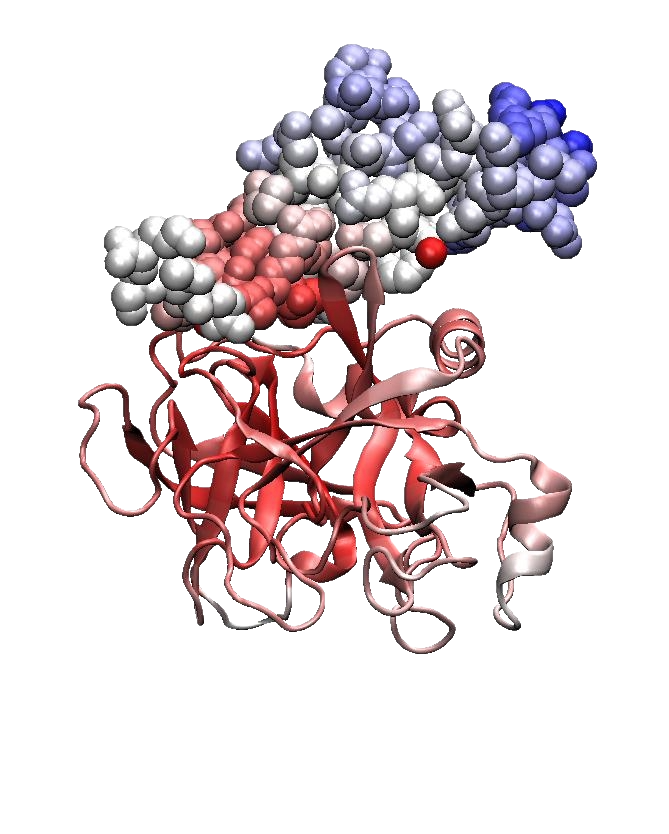
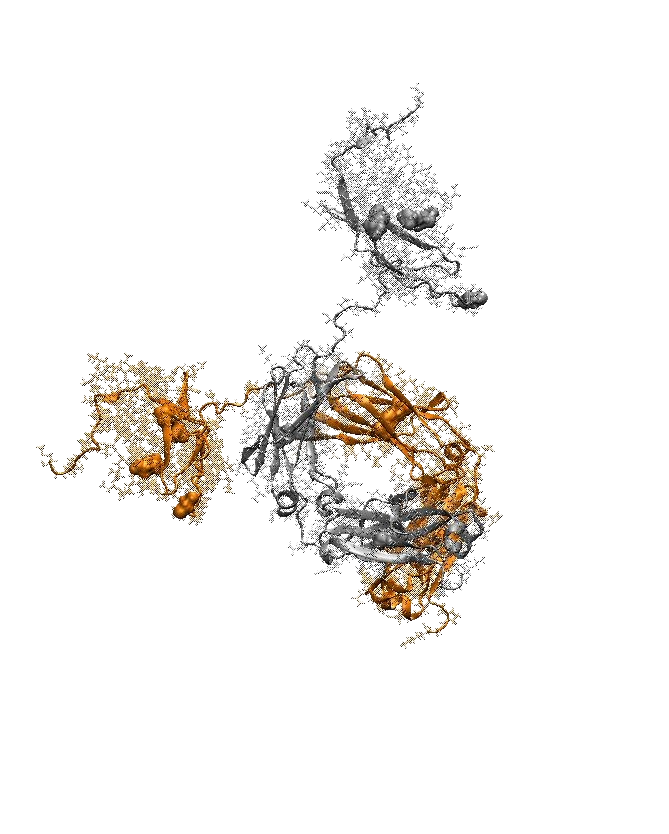
Flexible Engagement Models, Designed to Seamlessly Align with Your Development Needs

Stand-Alone Service
As Integral Part of Development Program
In collaboration with your preferred CDMO
Your Phase
Coriolis designs formulatability (including in silico assessment) and preformulation studies to help you pick the best drug product candidate(s) and/or formulation design from the beginning of your program. This ultimately minimizes program failure risks, speeds up time to market and reduces costs.

In Silico Modelling Resources

Articles
In Silico Formulation Development: What CMC Teams Can Decide Before the Lab
October 30, 2026

Publications
February 17, 2026
Publications
Challenges in surfactant removal from biopharmaceutical formulations using TFF and spin columns
January 15, 2026
Talk to Our Experts or Request a Quote
Our expert team is ready to answer your questions and guide you to the services best suited to your program’s modality, stage and challenge. If your needs are well-defined, we’ll begin the quotation process.

In Silico Modelling FAQs
-
Yes. Coriolis can start an in silico assessment using only the primary amino acid sequence of your biologic candidate.
Our AI and data-driven models and mechanistic molecular dynamics simulations evaluate key developability risks, protein stability, formulation challenges, and molecular interactions before laboratory material is available. This enables earlier decision-making, faster candidate selection, and more focused experimental studies later in development.
-
In silico modeling is a powerful decision-support tool that helps identify developability risks, compare candidates, and prioritize formulation strategies early in development. It can provide robust relative metrics for comparing colloidal and conformational stability without requiring prediction of the absolute value of a final critical quality attribute (CQA).
While computational predictions do not replace stability-indicating measurements of CQAs, they can significantly reduce uncertainty and improve candidate-selection decisions.
Coriolis combines AI-based prediction, molecular dynamics simulations, and high-throughput biophysical characterization to generate actionable insights that support more efficient biologics development.
-
In silico benchmarking helps evaluate how a biologic candidate compares to clinically advanced therapeutic proteins, providing valuable context for candidate selection and formulation development.
Coriolis compares calculated biophysical descriptors against more than 700 clinical-stage therapeutic proteins, including 600+ mAbs and 100+ non-mAb biologics. For mAb-like molecules, comparison against 80+ marketed formulations can further support formulation strategy decisions for candidates with similar physicochemical profiles.
-
Modern molecular dynamics simulations can deliver valuable insights early in development while reducing costly experimental iterations. Coriolis applies both coarse-grained and atomistic molecular dynamics approaches, selecting the most efficient model based on molecule type and development goals.
For larger proteins such as mAbs, our in-house coarse-grained approach can reduce computational effort by up to 25-fold compared with full-atom simulations, enabling efficient assessment of formulation conditions such as pH, ionic strength, and selected excipient classes. Full-atom models can additionally account for non-canonical amino acids, lipidation, glycosylation, conjugated moieties, and selected excipients.
This allows us to assess self-interaction, formulation sensitivity, and excipient effects while maintaining practical timelines and budgets.
-
In silico modeling is especially valuable for novel biologics where limited experimental data exists. Coriolis combines de novo structure prediction, homology modeling, mechanistic molecular dynamics simulations, and formulation expertise to evaluate complex proteins, peptides, antibody fragments, and modified biologics.
For highly flexible molecules such as peptides, full-atom molecular dynamics can sample multiple conformations and identify representative conformational clusters.
While machine-learning models depend on the availability of representative training data, mechanistic molecular dynamics simulations do not require modality-specific datasets. This approach helps identify developability risks, evaluate conformation and self-interaction, assess formulation options, and guide candidate selection even when historical datasets are limited.
-
Glycosylation can significantly influence protein stability, molecular interactions, and formulation behavior.
Coriolis evaluates glycosylation patterns, including glycan location, degree of sialylation, and glycoform distribution, and incorporates them into the appropriate in silico modeling strategy.
Depending on the molecule and its complexity, we apply coarse-grained or full-atom molecular dynamics simulations to assess how glycans may affect conformational and colloidal stability, molecular interactions, developability and formulation performance.
Where a representative glycoform can be defined, it can be explicitly incorporated into full-atom simulations to support more informed biologics development decisions.
INFOGRAPHIC
Driving Success from Preclinical to Commercial Approval & Beyond
A guide for early and late-stage development, commercialization, and lifecycle management
Learn More
