Surfactant Characterization

Coriolis Pharma offers cutting-edge surfactant analytics services to ensure the quality, stability and efficacy of your biopharmaceutical products. Leveraging our scientific expertise and advanced technologies, we provide comprehensive surfactant characterization that supports formulation development, stability studies and regulatory compliance requirements.
Surfactant Characterization from the Scientific Experts
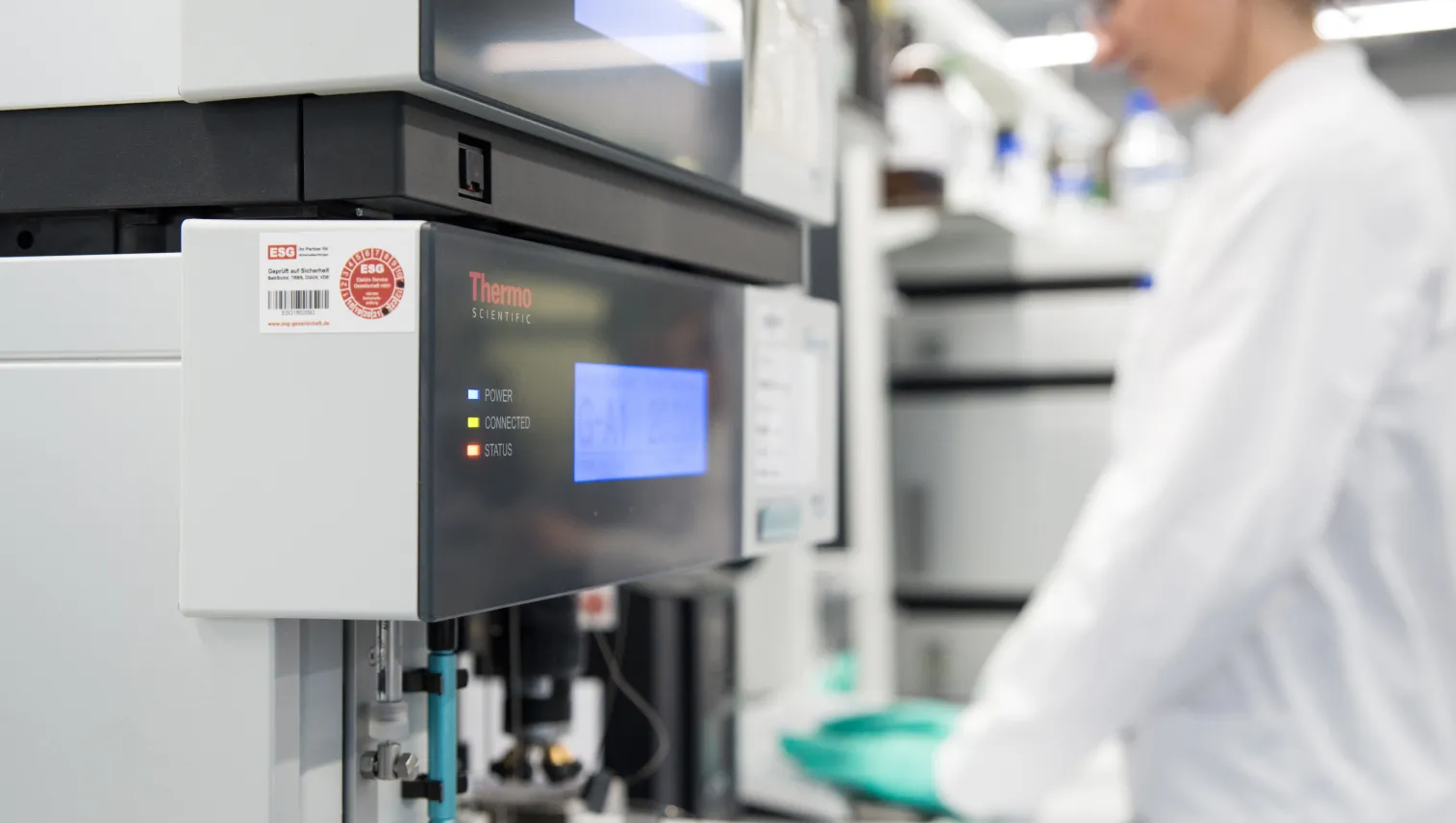
Surfactants are crucial in stabilizing biomolecules against interfacial stress and preventing adsorption. Polysorbate 20, polysorbate 80 and poloxamer 188 are the only surfactants in FDA-approved drug products for biopharmaceutical parenteral applications. While these surfactants offer significant benefits, it’s widely recognized that they, particularly polysorbates, are susceptible to degradation through hydrolysis and oxidation. (Poloxamer is highly sensitive to oxidation.) This degradation can directly impact the surfactant’s function and potentially lead to the formation of insoluble fatty acid–related particles over time, posing potential risks to the safety and efficacy of biopharmaceutical drug products.
Coriolis offers in-depth characterization of surfactants to address these challenges throughout the drug development process.
Our expert scientists analyze various aspects of surfactant formulations, including:
- Quantification of surfactant concentration
- Characterization of surfactant composition and purity
- Identification and quantification of degradation products
- Analysis of fatty acids
- Detection of impurities and particles
We can take samples at various stages of product development to test surfactant characteristics and obtain data for stability studies.
Surfactant Characterization Tailored to Your Needs
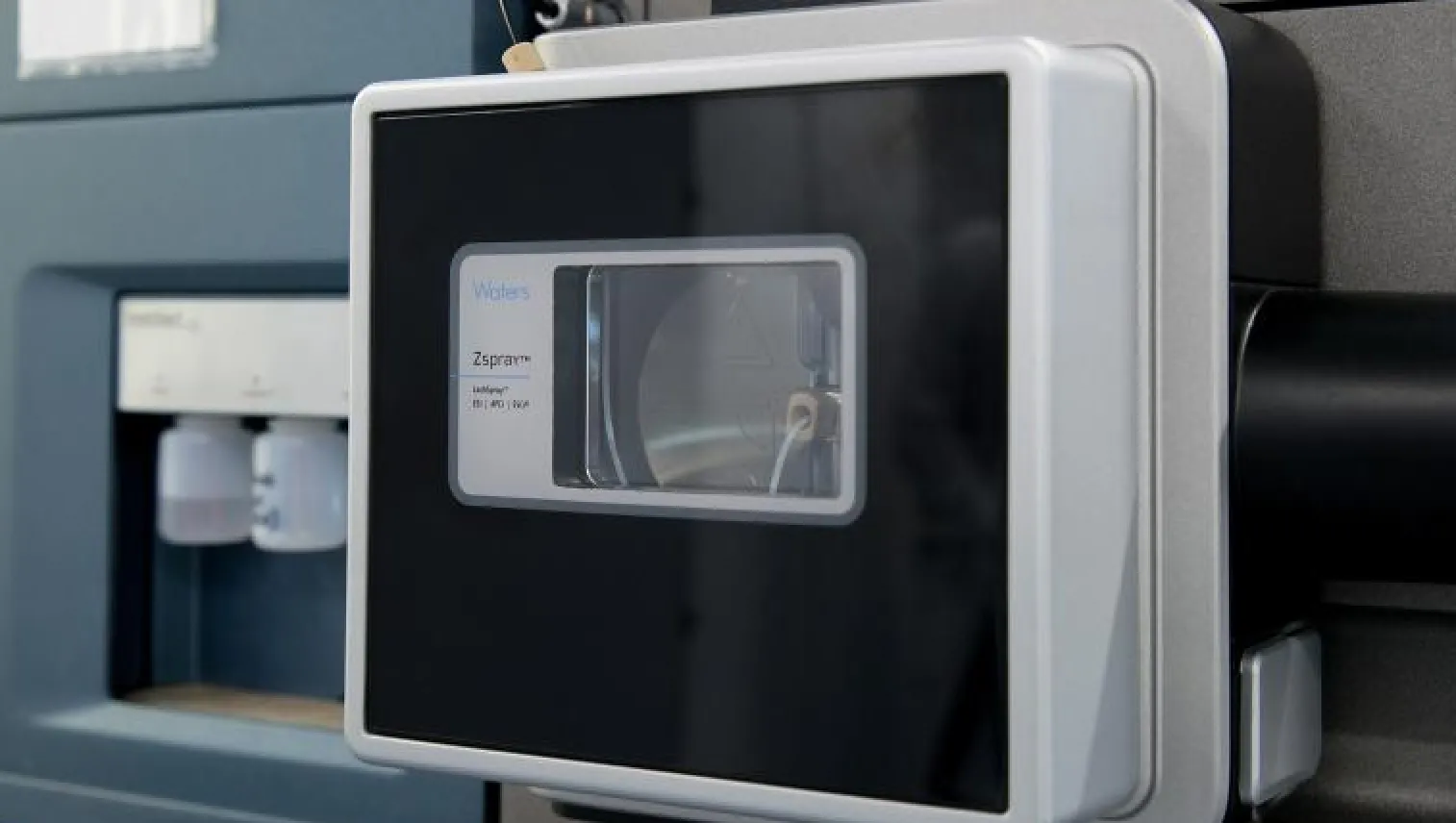
Our analytics are tailored to meet specific quality requirements for surfactants. Pharmacopeias around the world specify specific requirements for pharmaceutical-grade polysorbate 20 and 80. For example, ICH countries agree on key requirements such as impurity levels and fatty acid composition.
Coriolis has developed strong expertise and analytical capabilities for surfactant characterization, particularly for quantifying and characterizing polysorbates, poloxamers and their degradation products. We recognize the challenges in analyzing these structurally heterogeneous compounds, which often lack chromophores. To address this, we employ a range of sophisticated techniques, including derivatization with dyes and the use of universal detectors such as charged aerosol detection (CAD) or mass spectrometry (MS) in combination with liquid chromatography (LC).
We develop suitable sample preparation procedures for protein removal for chromatography-based methods, such as organic solvent precipitation or isolate surfactants using solid-phase extraction (SPE). These tailored approaches ensure accurate and comprehensive analysis of your surfactant-containing formulations. We have developed a novel two-dimensional liquid chromatography (2D-LC) approach that allows online sample preparation for protein removal and analysis of the surfactant in less than 10 minutes (for mAbs).
Our surfactant characterization services are performed under R&D and GMP conditions in dedicated labs with complete quality oversight. These services can also be applied to viruses, cells and viral vectors, and fall under biosafety level 2.
Surfactant Characterization Testing Methods
We will select the most suitable approach for your analytical challenge, whether following a standardized in-house workflow or a custom-tailored solution.
Surfactant Characterization Frequently Asked Questions (FAQs)
-
Surfactant characterization involves analyzing surfactant content, composition, degradation products, and impurities in biopharmaceutical formulations. This ensures drug product stability, efficacy, and safety throughout development and shelf life.
-
Polysorbates are commonly used surfactants in biologic drug products, but they are prone to degradation by hydrolysis and oxidation. Analyzing their concentration and breakdown products helps prevent particle formation and maintain product stability.
-
Coriolis uses advanced analytical techniques such as LC-CAD, LC-MS, and 2D-LC to identify and quantify degradation products and impurities. These methods enable rapid and accurate monitoring of oxidative and hydrolytic degradation pathways.
-
Surfactants are structurally heterogeneous and often lack chromophores, making detection difficult. Coriolis addresses this with specialized sample prep techniques and detectors like CAD and mass spectrometry to ensure sensitive and specific results.
-
Yes. Surfactant analysis is an essential part of stability testing. It helps assess the impact of storage conditions and shelf life on surfactant performance, contributing to risk assessment and regulatory compliance.
-
Pharmacopeias such as USP and Ph. Eur. specify requirements for polysorbate quality, including fatty acid composition and impurity levels. Coriolis ensures analytical methods align with ICH guidelines and GMP expectations.
-
Yes. Surfactant characterization services at Coriolis are available under both R&D and GMP conditions, performed in dedicated labs with full quality oversight.
-
Coriolis can analyze surfactants in biologics, including monoclonal antibodies (mAbs), viral vectors, vaccines, and other drug products. The lab supports biosafety level 2 handling for complex and sensitive formulations.
-
For monoclonal antibodies, the novel 2D-LC method developed by Coriolis enables online sample prep and surfactant quantification in under 10 minutes, increasing throughput and reducing turnaround time.
-
Poloxamer 188 is a nonionic surfactant used in biologics, especially sensitive to oxidation. Coriolis applies specialized methods like LC-MS to evaluate its integrity and identify degradation products.
Analytical Method Development, Qualification and Validation
For common sample types, we can often apply standardized methods with little setup effort. However, when needed, our experienced analytical experts create or optimize custom methods tailored to your active pharmaceutical ingredient, product type and development phase.


Your Drug Product
Coriolis Pharma’s deep expertise across many biologic modalities, combined with input from world-leading external advisors, offers the knowledge and experience needed to solve even the most complex formulation and drug development challenges.








Your Phase
Our expert team has the expertise and experience to guide your biologics formulation development program from preclinical and early-phase development to the market.

Surfactant Characterization Resources
Publications
Challenges in surfactant removal from biopharmaceutical formulations using TFF and spin columns
January 15, 2026
Publications
July 10, 2025
Publications
June 6, 2025
Talk to Our Experts or Request a Quote
Our expert team is ready to answer your questions and guide you to the services best suited to your program’s modality, stage and challenge. If your needs are well-defined, we’ll begin the quotation process.
INFOGRAPHIC
Driving Success from Preclinical to Commercial Approval & Beyond
A guide for early and late-stage development, commercialization, and lifecycle management
Learn More